

Measurably better lameness care
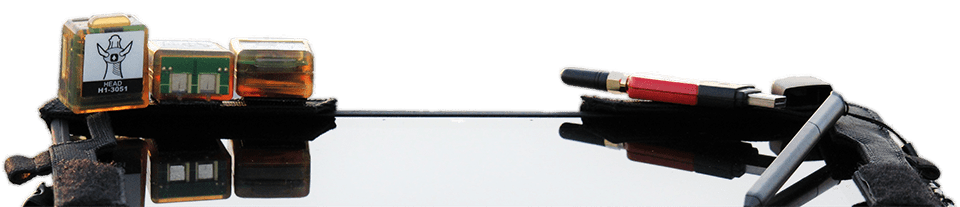
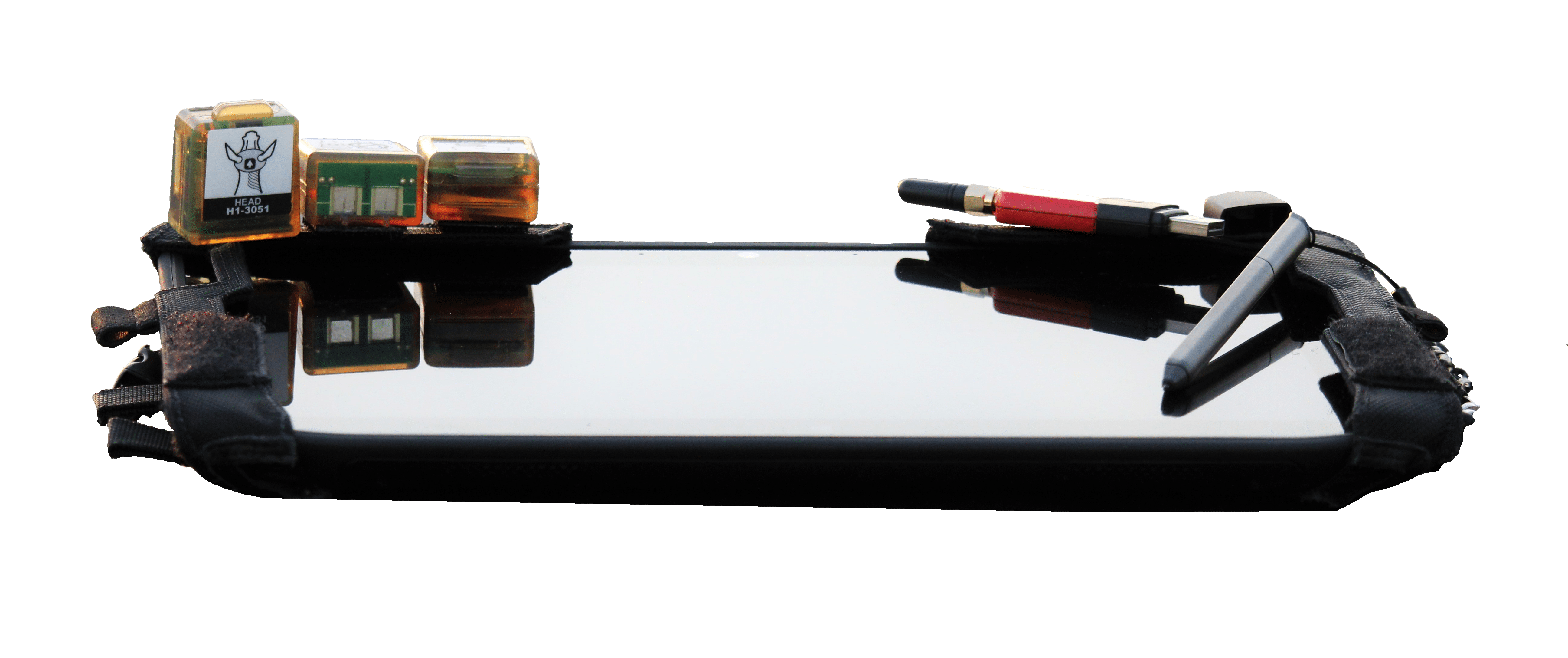
The Equinosis Q with Lameness Locator® is a veterinary diagnostic system used to objectively measure a horse’s movement.
Measurably Better Lameness Care
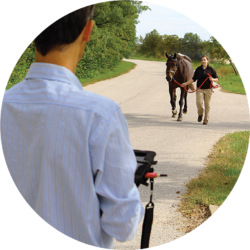
The Equinosis Q with Lameness Locator® biomechanical care platform is a real-time, handheld, field-based system that enables a veterinarian to objectively measure lameness in horses with non-invasive inertial sensors.
Measurably better
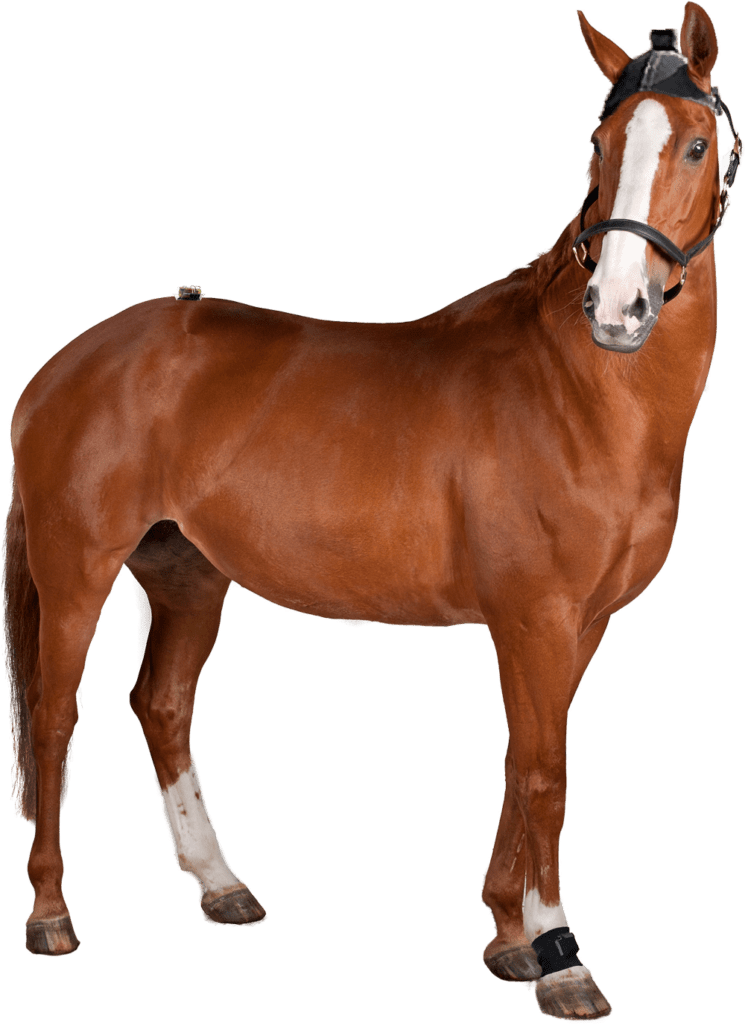
Quantify equine lameness with wireless sensors that track horse movement accurately to less than 1 millimeter.
Proprietary algorithms, based on decades of equine research, compute precise lameness metrics the human eye can’t see.
It's Just Physics!
University of Missouri Professor of Equine Surgery Dr. Kevin G. Keegan on the clinical sign of lameness and the best movement parameter to detect and measure it.
Why it Works
Horses with painful limbs shift biomechanical loads to less painful limbs. Regardless of the mechanism a particular horse will use to shift load, the result can be measured by changes to the horse’s natural symmetry. The Q measures asymmetry with remarkable accuracy.
How it Works
With 10 times more sensitivity than the human eye, and sophisticated algorithms based on decades of veterinary research, the Q quantifies motion asymmetries directly associated with decreased weight bearing.
The most advanced lameness
measurement system available
To learn more, click the title below that best describes you.
The most advanced lameness measurement system available
To learn more, click the title below that best describes you.

*The Equinosis Q with Lameness Locator® is sold only to licensed registered veterinarians. The Equinosis Q is a sophisticated medical diagnostic tool. Analytical output must be interpreted by a licensed veterinarian skilled in equine lameness evaluations and trained in the use of this equipment. The Q should only be used in conjunction with a complete veterinary examination to determine the clinical significance of measurements. Attempts to use or interpret Q results in clinical cases without such examination are discouraged.